
Twin Flame Journey: Phases and Personal Growth
Explore common phases in the twin flame journey and use them as reflective prompts for boundaries, communication, emotional growth, and relationship choices.

Explore your twin-flame theme with a personalized creative portrait for reflection and spiritual entertainment.
Create my twin-flame portraitThe twin flame journey is a spiritual belief about two souls said to share the same energetic blueprint. People who use the idea describe intense emotions, personal growth, and transformation. Understanding the phases they describe can help you reflect on challenges, without treating any phase as a prediction of reunion.
What Is a Twin Flame?
The concept of a twin flame goes beyond ordinary romance. In twin flame teachings, the twin flame meaning involves two halves of the same soul separated before birth, whose meeting brings a powerful bond unlike typical relationships. It is a belief rather than a verifiable fact, but people who hold it often describe the experience as life-altering, pushing them toward self-awareness and spiritual awakening.
Some people try a twin flame sketch or lean on intuition while exploring the idea. A sketch is imaginative art for entertainment and reflection: it cannot identify a real person or show who will arrive, but some people enjoy it as a creative focus for their thoughts about connection.
Identifying Your Twin Flame

Twin flame accounts usually describe the journey as unfolding in several distinct phases, each with its own lessons, growth, and challenges. These phases are a belief framework, not a timeline anyone can verify, but they can help you put words to what you are going through.
Some people say that before meeting someone they consider their twin flame, they had vivid dreams, unexplained feelings of longing, or a constant sense that someone special was out there. These experiences are personal and can have many explanations; they are not signs that a specific person is on the way.
The Common Phases of the Twin Flame Journey

Let’s break down the key phases of the twin flame journey. Not everyone experiences these steps, and nothing shows that they follow a fixed order, but they appear often in twin flame writing. In the traditional telling, each phase builds upon the previous one toward unity and harmony.
| Phase | Key Features |
|---|---|
| Recognition | Intense connection upon first meeting |
| Bubble Love | Blissful harmony |
| Testing | Emotional triggers and push-pull |
| Runner/Chaser | Periods of separation and pursuit |
| Surrender | Acceptance and inner healing |
| Harmonization | Growth and, in some accounts, reunion |
Recognition Phase
This is when you first meet your twin flame. The connection feels electric, almost mystical. You experience instant familiarity, intense eye contact, and a deep pull. Everything else fades, and it’s as if the world pauses to celebrate this sacred encounter.
During recognition, it’s common to sense a bond unlike any before. You might share similar childhood memories, interests, or life goals. The twin flame meaning becomes clearer. Many people feel this person holds a key to their soul’s evolution, pushing them toward their highest potential.
Bubble Love Phase

Soon after meeting, you enter a blissful period of harmony. Communication flows effortlessly. You share secret jokes, discover matching values, and feel wrapped in a warm, invisible bubble of unconditional love. It’s a honeymoon stage that can feel almost dreamlike.
In this bubble love phase, life seems perfect. You might forget past heartbreaks and insecurities. It may feel as though destiny is guiding your union. Yet, beneath this sweetness, deeper healing awaits. In twin flame accounts, the next phase brings hidden wounds to the surface so both people can grow.
Testing Phase
After the honeymoon, tension arises. Old patterns, fears, and insecurities emerge. Emotional triggers challenge your bond. The intensity that once felt comforting now feels overwhelming. Communication may turn confusing. This phase tests your commitment to personal growth and spiritual transformation.
During testing, it’s normal to question everything. You may doubt the connection or worry you’ve misunderstood your twin flame meaning. Remember, these trials aren’t punishments. They can be opportunities for healing and understanding. Testing should never mean fear, threats, or control, though; those are safety issues, not spiritual lessons.
Runner and Chaser Phase

This is perhaps the most infamous stage. One partner becomes the runner, avoiding deep intimacy. The other becomes the chaser, desperate to restore closeness. Confusion and frustration arise. Twin flame teachings say this push-pull dynamic serves a purpose: to trigger deep inner work. Outside that framework, it often reflects anxious and avoidant attachment patterns, and a partner who withdraws may simply want space or an ending, which deserves respect.
The runner and chaser dance can feel heartbreaking. However, it exposes unhealed wounds, emotional baggage, and unresolved fears. By facing these issues, you grow stronger. Eventually, you realize you cannot force harmony. True union requires individual healing and surrendering control.
Surrender Phase
After much struggle, both partners learn to let go. Surrendering isn’t giving up; it’s accepting what is. You acknowledge that the journey’s outcome can’t be rushed. Instead of forcing change, you focus on self-love, inner peace, and personal spiritual development.
In surrender, you release anger and blame. You understand that growth comes from within. In twin flame language, your energy shifts; in practical terms, you become calmer and less reactive. Patience and empathy can open the door to a healthier connection, though they cannot decide what the other person chooses.
Harmonization Phase
As you integrate lessons, your bond strengthens. Communication improves. Both partners become more authentic, honest, and kind. Shared purpose emerges. When both people are willing, this is described as energies aligning and creating a stable foundation: a genuine partnership, free from old patterns.
In the traditional telling, the twin flame journey eventually leads to a lasting union, but that outcome is never guaranteed and depends on both people’s free choices. Not all twin flames choose a romantic relationship. Some form lifelong friendships or creative partnerships. What matters is the higher purpose and growth that your connection inspires, helping you fulfill your soul’s mission.
Signs and Symptoms of a Twin Flame Connection
People who use the twin flame label often mention synchronicities, like repeating numbers, recurring dreams, or feeling someone’s presence when alone. These are subjective experiences rather than proof. Intense emotions surface quickly. You feel pulled toward deep self-reflection, facing fears you once avoided.
Another commonly described sign is a powerful sense of destiny, a feeling of being guided by a higher force. Some people also notice recurring symbols in meditation. These experiences can feel reassuring, but they cannot confirm another person’s feelings or a future reunion.
Twin Flame vs. Soulmate

As you move through these phases, remember that twin flames aren’t about perfect romance. In the belief system, it’s described as a soul-level bond meant to spark inner growth. This journey can break down ego walls, revealing your true self. The experience fosters empathy, forgiveness, and higher consciousness.
Many confuse twin flames with soulmates. While both connections are deep, soulmates feel more harmonious and less turbulent. Twin flames stir intense challenges. They push you beyond comfort zones, urging deep healing. Understanding this difference helps you approach the journey with realistic expectations.
Key Differences: Twin Flame vs. Soulmate
- Intensity: Twin flames trigger deeper shadows.
- Purpose: Twin flames push spiritual growth; soulmates offer support.
- Challenge: Twin flames face more conflict.
- Outcome: Twin flames aim for spiritual awakening; soulmates focus on companionship.
Navigating Challenges in the Twin Flame Journey
Navigating the runner-chaser dynamic can feel daunting. Patience is crucial. Instead of chasing, focus on self-improvement. Work on personal healing, hobbies, and spiritual practices. Your growth changes how you show up, but it cannot make the other person change or return; any shift in the push-pull depends on both people.
Communication is vital. When possible, express feelings gently. Listen without judgment. Avoid blaming. Share your experiences, fears, and hopes. Honest, kind conversations build trust and lessen misunderstandings. Over time, this openness can build understanding, if both people take part.
Self-Care and Spiritual Tools
Embrace spiritual tools. Meditation, journaling, breathwork, and mindful movement can help release emotional blocks. These practices support your inner growth. They calm the mind, helping you understand painful patterns. The more you heal, the steadier you feel, whatever the other person chooses.
Talking with a licensed counselor or a trusted mentor can help. They offer insights, coping strategies, and reassurance. While no one can walk your path for you, trusted advisors can clarify confusion, reducing the emotional turbulence that often surfaces.
Growth, Separation, and Healing
During difficult phases, remember that growth often feels uncomfortable. Painful emotions don’t mean failure. They mean old wounds are surfacing to be healed. Embrace this discomfort as part of the journey. By facing it, you become stronger, wiser, and more compassionate.
Self-love lies at the core of the twin flame journey. Before true union, you must love and accept yourself fully. Nurture your body, mind, and soul. Speak kindly to yourself. Celebrate small victories. This self-care fuels the transformation required for lasting connection.
Consider drawing or commissioning a symbolic twin flame sketch as a creative exercise. It cannot depict a real person, but it can help you think about the kind of connection you hope for.
Sometimes separation is necessary. Space allows both partners to reflect, heal, and grow. Don’t fear these breaks. Instead, use them to develop resilience and clarity, and respect any request for no contact. Whether or not you reconnect, you’ll bring a healthier version of yourself to future relationships.
As you progress, keep a journal. Note dreams, synchronicities, and changes in mood. Writing down signs and symptoms helps you see patterns. Over time, you’ll notice how your perspective shifts and your understanding grows.
During tough phases, grounding yourself in nature can help. Walk outside. Feel the earth under your feet. Listen to birdsong. Natural surroundings can calm you, reminding you of life’s cycles. Just as seasons change, so do your emotional states and relationship stages.
If self-doubt arises, remember that the twin flame journey isn’t a race. There’s no fixed timeline. Everyone grows at their own pace. If trusting the universe comforts you, let it ease the pressure rather than keep your life on hold. Letting go of control can free you from stress.
Maintain healthy boundaries. While you feel a strong pull, remember you’re both individuals. Respect each other’s space and needs. Boundaries prevent codependency and ensure that growth remains balanced. They also help both partners maintain individuality within the shared spiritual path.
Utilize visualization exercises. Imagine you and your twin flame communicating openly, embracing one another in mutual understanding. If you like, send loving thoughts their way as a private practice of goodwill. It won’t change their choices or the relationship, but it can soften your own resentment and help you approach any real conversation more calmly.
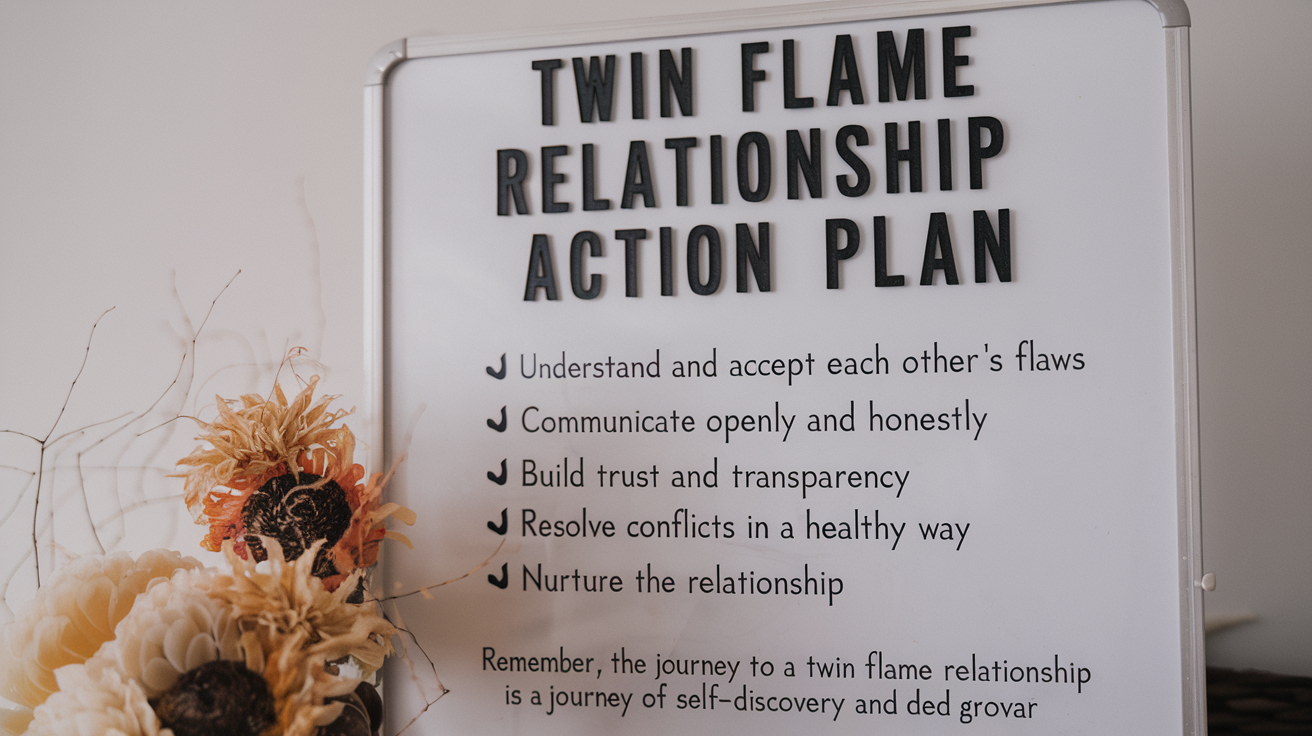
Consider making a personal action plan. Set goals for spiritual growth, self-care, and communication improvements. Breaking large challenges into manageable steps makes the journey less overwhelming. Celebrate progress, no matter how small, and appreciate the learning process each stage brings.
Practicing gratitude shifts your mindset. Focus on what you’ve learned, how you’ve grown, and the blessings you’ve received. Gratitude can lift your mood and help you notice the good already in your life. By appreciating the journey, you soften resistance and become more open to love’s transformative power.
Remember that not all twin flames unite in a lifelong partnership. Some teach lessons and then part ways. If this happens, know that you haven’t failed. You’ve grown. The experience still serves your soul’s path, guiding you toward deeper understanding and future blessings.
The twin flame journey can feel lonely at times. If needed, seek supportive communities. Online forums, local groups, or social media discussions can help; choose spaces that respect boundaries and don’t push you to chase someone or pay for reunion promises. Sharing stories, asking questions, and reading others’ experiences remind you that you’re not alone in your quest.
When moments of doubt creep in, revisit your original awakening. Remember the signs that led you here. Look at your journal, recall dreams, and reflect on personal shifts. Trust the process. Even when it’s hard, growth is happening beneath the surface.
Humor helps lighten the load. The journey can be intense, but laughter eases tension. Find activities that make you smile. Watch comedies, draw silly pictures, or dance to upbeat music. A light-hearted approach restores balance, reminding you that life isn’t all struggle.
In twin flame teachings, your twin flame is a mirror. They reflect your hopes, fears, and hidden parts. This reflection can be challenging. Yet, by embracing their presence, you embrace all of yourself. This acceptance leads to deeper love, for both your twin and yourself.
Over time, as you heal and grow, you’ll see the bigger picture. The twin flame journey isn’t just about romance. It’s about evolving into your truest self. The connection sparks a sacred fire, forging wisdom, courage, and an expanded capacity to love.
Tips for Navigating Twin Flame Phases
- Practice self-care daily
- Meditate to calm the mind
- Communicate honestly and kindly
- Seek professional guidance if needed
- Let go of fixed timelines
- Embrace growth opportunities
- Maintain healthy boundaries

These strategies support your progress. Applying them can reduce confusion and anxiety. Over time, you may find more balance, making each phase smoother. The journey may remain challenging, but you’ll feel equipped, hopeful, and ready to embrace whatever comes next.
FAQ
What is the twin flame meaning?
In spiritual belief, twin flame meaning refers to two souls sharing the same energetic blueprint. They mirror each other’s growth, triggering deep healing and transformation. It’s a spiritual connection beyond ordinary romance.
How do I know if I’ve met my twin flame?
People often describe intense familiarity, a strong pull, synchronicities, rapid personal growth, and a spiritual bond that challenges and inspires them. These are subjective experiences, not proof, so also look at whether interest, respect, and effort are mutual.
What is a twin flame sketch?
A twin flame sketch is a drawing or artistic interpretation of what someone’s twin flame might look like. It is imaginative art for entertainment and reflection: it cannot identify a real person, but some people enjoy it as a focus for visualization and comfort.
Are twin flames always romantic partners?
Not necessarily. Twin flames can manifest as friends, mentors, or collaborators. The purpose is spiritual growth, not just romance. The form your relationship takes depends on the choices both people make.
Can the runner-chaser phase be avoided?
Sometimes it can be minimized through honest communication and personal healing. In twin flame teachings, it is said to reveal unhealed wounds. If someone is withdrawing, respect their need for space or an ending, and focus on your own healing rather than pursuit.
What if my twin flame leaves for good?
If this happens, respect their decision. You can still value what you learned and how you grew. Trust that life will guide you to further opportunities for love and understanding.
How long do these phases last?
There’s no set timeline. Each journey is unique. Some move swiftly, others unfold over years. Patience, surrender, and trust help you handle the uncertainty gracefully.
How can I improve communication with my twin flame?
Be honest, listen actively, avoid blame, and express emotions calmly. Use “I” statements, set clear boundaries, and respect each other’s perspectives. Over time, these efforts build trust and understanding.
Conclusion
The twin flame journey is a path of deep spiritual growth and transformation. By understanding its phases, embracing signs and symptoms, and applying strategies like self-care and honest communication, you navigate it more smoothly. Whether you unite or part ways, the experience can deepen your self-understanding.

