
Twin Flames as Mirrors: Pain, Patterns, and Growth
Explore why twin flame relationships are described as mirrors, how intense emotions can reveal patterns, and how reflection may support healthier growth.

Explore your twin-flame theme with a personalized creative portrait for reflection and spiritual entertainment.
Create my twin-flame portraitWhat does the twin-flame “mirror” mean?
Short answer: “Soul mirror” is a spiritual metaphor for the way an intense relationship can draw attention to your needs, fears, values, and relationship patterns. It is not proof that two people are destined to be together, can read each other’s minds, or must endure pain to grow.
The metaphor is useful only when it helps you understand yourself and make healthier choices. Consent, safety, observable behavior, and medical reality always matter more than a spiritual label.
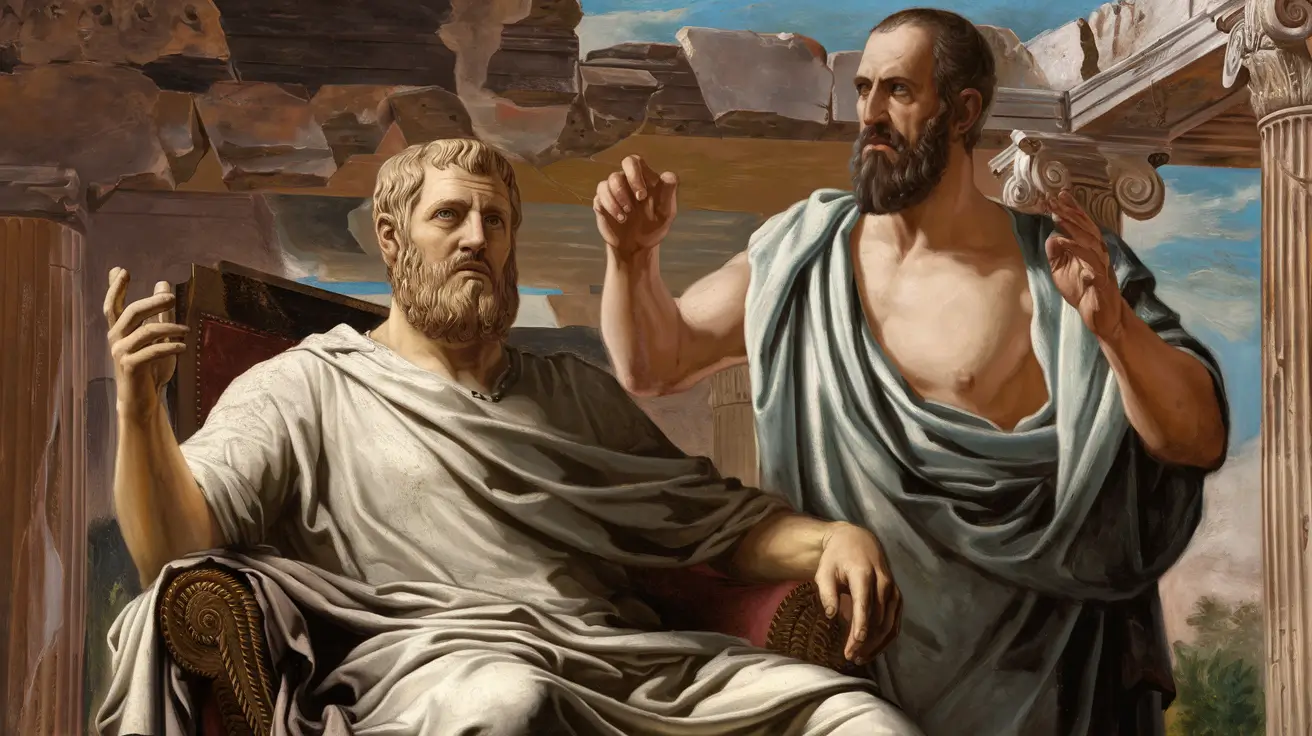
Why can an intense connection feel like a mirror?
Close relationships give us information. Another person’s behavior may reveal what makes us feel secure, what activates old attachment fears, and which boundaries we have not yet learned to voice. Strong attraction can also make us idealize someone or project hopes onto them.
Instead of asking, “What is the universe trying to guarantee?”, try asking:
- What happened in observable terms?
- What feeling did it bring up in me?
- What do I need in order to feel safe and respected?
- Is interest, effort, and care mutual?
- Does this connection support my life, or is it narrowing it?
These questions can support reflection, but they do not promise a particular relationship outcome.

Intensity is not confirmation
An instant sense of familiarity, vivid dreams, repeated coincidences, or strong emotion can feel meaningful. They can also arise through attraction, memory, selective attention, attachment patterns, and the brain’s natural tendency to connect events.
People sometimes describe “telepathy” with a partner. That is a subjective interpretation, not a scientifically established way to know another person’s thoughts or feelings. A coincidence, dream, sudden mood, or body sensation does not confirm what someone else is experiencing. The reliable way to understand another person is respectful, direct communication—and only when they want contact.

What about the runner-and-chaser story?
“Runner and chaser” is a popular story used to describe a push-pull relationship. It should never be used to excuse pursuing someone who has withdrawn consent.
If a person ends the relationship, asks for space, blocks contact, or says no, stop contacting them. Do not message through new accounts, ask friends to intervene, monitor their location, appear at their home or workplace, or treat silence as a hidden invitation. No-contact is a boundary, not a spiritual stage. It remains valid regardless of dreams, readings, synchronicities, or how certain the connection feels.
A healthier sequence is much simpler:
- Notice the attraction without turning it into a promise.
- Discuss needs and intentions if both people consent to the conversation.
- Judge the relationship by consistent actions, not imagined signs.
- Set and respect boundaries.
- Choose a mutual relationship—or release it without waiting for a predicted return.
There is no universal timetable, required separation, guaranteed transformation, or promised reunion.

When pain is a signal to step back
Pain is not a spiritual assignment. Repeated breakups, fear, humiliation, coercion, threats, isolation, surveillance, pressure for sex or money, and emotional or physical abuse are not evidence of a profound bond. They are reasons to protect yourself and seek qualified support.
Consider stepping back when:
- you feel responsible for rescuing or “awakening” the other person;
- you are checking their accounts or whereabouts compulsively;
- you keep abandoning sleep, work, friendships, or finances for the connection;
- your boundaries are mocked, negotiated away, or repeatedly crossed;
- you feel afraid of their reaction to a no;
- people you trust are worried about your safety.
You never owe another person access to you, and no spiritual belief requires you to remain in an unsafe relationship. If abuse is present, contact a trusted person or a local domestic-violence service and make a safety plan. If you are in immediate danger, contact local emergency services now.
Mental and physical symptoms deserve real care
Anxiety, depression, panic, insomnia, inability to function, chest pain, fainting, or other concerning symptoms are not proof of telepathy, awakening, energetic merging, or reunion. A clinician can help assess what is happening. New, severe, or persistent physical symptoms need medical attention; urgent symptoms need emergency care.
If emotional distress is affecting daily life, speak with a licensed mental-health professional. If you may harm yourself or someone else, or cannot stay safe, contact emergency services immediately. In the United States, call or text the 988 Suicide & Crisis Lifeline at 988; call 911 for immediate danger. Elsewhere, use your country’s emergency number or crisis service.

Can the mirror metaphor still support growth?
Yes—when the focus stays on your own choices. Reflection may help you notice an attachment pattern, communicate more clearly, rebuild neglected parts of your life, or decide that a relationship is not healthy for you. Growth can happen, but it is not automatic and it does not validate the relationship label.
Try this grounded exercise:
- Write down only what you directly observed.
- Separate facts from interpretations such as “they pulled away because the bond scared them.”
- Name the boundary or need the situation revealed.
- Choose one action you control: rest, talk to a therapist, reconnect with friends, communicate once with consent, or disengage.
- Review whether that action improved your safety, clarity, and daily functioning.
The goal is not to decode another person. It is to understand yourself without surrendering reality or autonomy.

A grounded example
Imagine that a powerful connection ends unexpectedly. One person may interpret the separation as a destined “runner” phase. A more reliable approach is to accept the breakup as the current reality, respect no-contact, and process the loss with supportive people or a therapist.
Perhaps the experience reveals a fear of abandonment or a habit of overlooking mixed signals. Working on that pattern can be valuable whether the former partner returns or never contacts them again. The learning belongs to the person doing the reflection; it is not evidence that the relationship was cosmically assigned.
Frequently asked questions
Are twin flames scientifically proven?
No. Twin flames are a spiritual or symbolic belief, not an established scientific category of relationship.
Does separation mean a reunion will happen?
No. A separation is not evidence of future reunion. Make decisions from the relationship as it exists now, not from a predicted return.
Should I contact someone who asked for space?
No. Respect the request. Any future contact requires clear, voluntary consent from both people.
Can a twin-flame connection cause physical symptoms?
Stress and intense emotion can affect the body, but symptoms do not prove a spiritual connection. Seek appropriate medical care rather than diagnosing them as “twin-flame signs.”
Can pain or abuse be part of the journey?
Conflict can occur in any relationship, but abuse is never a lesson you must endure. Prioritize safety and qualified support.

Continue with a grounded perspective
For more context, compare soulmate and twin-flame beliefs or read about coping with twin-flame separation pain. A creative sketch or spiritual reading can be used for entertainment and self-reflection, but it cannot identify a destined person, reveal someone’s private thoughts, or predict reunion.
The most useful “mirror” is the one that returns your attention to what you can know and choose: your boundaries, your wellbeing, your support system, and the kind of mutual relationship you want to build.

